
Share
Espresso is the least forgiving brew method in the kitchen - and the most rewarding once you understand the handful of variables that actually matter. This guide covers the recipe, the dialling-in workflow, and how to fix sour or bitter shots, using the same standards we work to when tasting roasts here in Adelaide.
What ratio should I use for espresso?
Start with a 1:2 brew ratio: 18 grams of ground coffee in, 36 grams of espresso out, in 25–32 seconds, with water at roughly 93°C. This is the modern standard for a double shot and the baseline almost every café dials from. Adjust only after you can hit it consistently.
The ratio is measured by weight, not volume - crema makes volume unreliable, so put a set of 0.1-gram scales under your cup. An 18-gram dose suits most standard double baskets; if your machine ships with a smaller basket, scale the recipe (for example, 16g in, 32g out) and keep the 1:2 relationship. Time the shot from when you start the pump.
Once you're comfortable, ratios become a flavour tool. Tightening towards 1:1.8 gives a heavier, more intense shot; stretching towards 1:2.5 lifts clarity in lighter roasts. But chase consistency first - a repeatable 1:2 beats an erratic experiment.
What equipment do I need for home espresso?
You need an espresso machine that holds stable pressure (around 9 bar) and temperature, an espresso-capable grinder with fine, stepless-or-near-stepless adjustment, 0.1-gram scales, and a tamper. Of these, the grinder matters most: espresso lives or dies on grind quality and tiny adjustments.
One honest note on grinders: a great filter grinder is not an espresso grinder. The Fellow Ode Gen 2 we stock is superb for pour-over and plunger, but it isn't designed to grind fine enough, or adjust finely enough, for espresso. If you're buying for espresso, choose a grinder built for it - the smallest step on the dial needs to meaningfully change a 25–32 second shot.
A distribution tool (or a stir with a WDT needle) and a level tamp round things out - both reduce channelling, the main cause of shots that gush or spritz unevenly.
How do I dial in espresso?
Dial in by fixing your dose (18g) and target yield (36g), then changing only the grind: pull a shot, taste it, and adjust. If the shot runs faster than 25 seconds or tastes sour, grind finer. If it runs past 32 seconds or tastes bitter, grind coarser. One variable at a time.
Here's the workflow in full:
- Fix the dose. Weigh 18g into the basket every time. Distribute and tamp level with consistent pressure.
- Fix the yield. Brew onto scales and stop the shot at 36g out.
- Check the time. Aim for 25–32 seconds. Outside that window, adjust the grind - finer to slow it down, coarser to speed it up - and pull again.
- Taste, then trust your tongue. Time is a guide; flavour is the verdict. A 24-second shot that tastes sweet and balanced is done. A textbook 28-second shot that tastes sour still needs to go finer.
- Make one change at a time. If you change grind, keep dose and yield fixed. Changing two variables at once tells you nothing.
Expect to use 3–5 shots' worth of coffee dialling in a new bean - that's normal. Once dialled, note the grind setting, dose, yield and time.
Why is my espresso sour or bitter?
Sour, sharp or thin espresso is under-extracted - the water didn't pull enough from the coffee, usually because the grind is too coarse and the shot ran fast. Bitter, dry or ashy espresso is over-extracted - too much was pulled, usually from grinding too fine. Grind is the first fix in both cases.
Work through the symptoms:
- Sour / sharp / salty, shot runs under 25 seconds: under-extracted. Grind finer. If already at your grinder's limit, raise the brew temperature slightly or extend the yield (e.g. 1:2.2).
- Bitter / harsh / drying, shot runs over 32 seconds: over-extracted. Grind coarser. If it persists, drop the temperature a touch or shorten the yield.
- Both sour and bitter in the same shot: usually channelling - water carving uneven paths through the puck. Improve distribution, tamp level, and check the basket for clumps.
- Shot gushes pale and fast no matter the grind: coffee may be stale or the dose too low for the basket. Check the roast date and weigh the dose.
- Shot chokes the machine: grind is far too fine, or the dose is too high for the basket. Coarsen significantly and re-approach.
How fresh should beans be for espresso?
Espresso beans taste best between roughly 5 and 30 days after roasting. Freshly roasted coffee holds carbon dioxide that disrupts extraction, so give beans 5–10 days of rest after the roast date before pulling shots. Too-fresh coffee pours unevenly and tastes gassy; old coffee goes flat and pale.
This is exactly why we roast to order. Every bag we ship from our Adelaide roastery carries its roast date, so you know precisely where your beans sit in that window - typically arriving right as they come into peak espresso condition, rather than having sat on a supermarket shelf for months. Store beans in the sealed bag away from heat and light, and grind just before brewing; ground coffee stales in minutes.
Which beans should I start with?
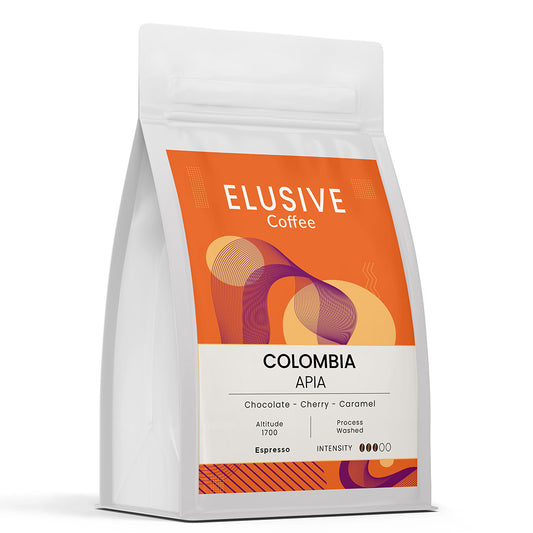
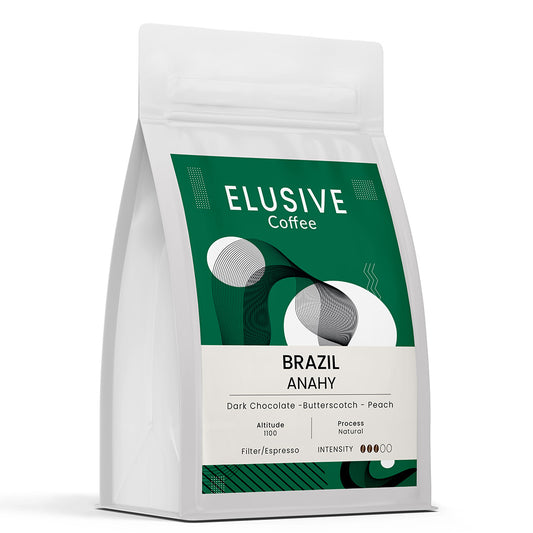
Start with a coffee built for espresso. Our Grindstone Espresso Blend - composed of Anahy, Apia and Yirgacheffe Haro - is the house espresso: balanced, sweet and forgiving to dial in, with enough body to carry milk. It's the blend we'd hand a new machine owner first.
If you prefer a single origin with a more traditional profile, the Tanzania Peaberry Espresso (medium-dark) is roasted specifically for espresso - deeper, rounder, and very much at home in a flat white. Both come from our Adelaide-roasted range, roasted to order with the date on every bag.
Frequently asked questions
How much coffee do I use for a double shot?
Use 18 grams of ground coffee for a standard double basket, yielding 36 grams of espresso at a 1:2 ratio. Check your basket's rated capacity - some doubles are designed for 14–16g or 20–22g - and dose within about 1g of its rating.
What temperature should espresso be brewed at?
Brew espresso at 90–96°C, with about 93°C as the standard starting point. Lighter roasts generally benefit from the warmer end of that range to extract fully; darker roasts often taste smoother a degree or two cooler.
Do I need to weigh my espresso shots?
Yes - weighing dose and yield is the single biggest upgrade to home espresso consistency. Crema makes eyeballing volume unreliable, and a 2-gram swing in dose noticeably changes the shot. A set of 0.1-gram scales costs less than a week of café coffees.
Can I use any coffee beans for espresso?
You can brew any coffee as espresso, but beans roasted with espresso in mind - like an espresso blend or a medium-dark single origin - are easier to dial in and more forgiving in milk. Very light filter roasts can work, but they typically demand higher temperatures and longer ratios.
Keep reading
- How to brew Moka pot coffee
- AeroPress brew guide
- Mastering the brew: a guide to extraction
- Why water is 98% of your coffee
Shop Elusive: Shop fresh-roasted coffee · Brewing equipment